
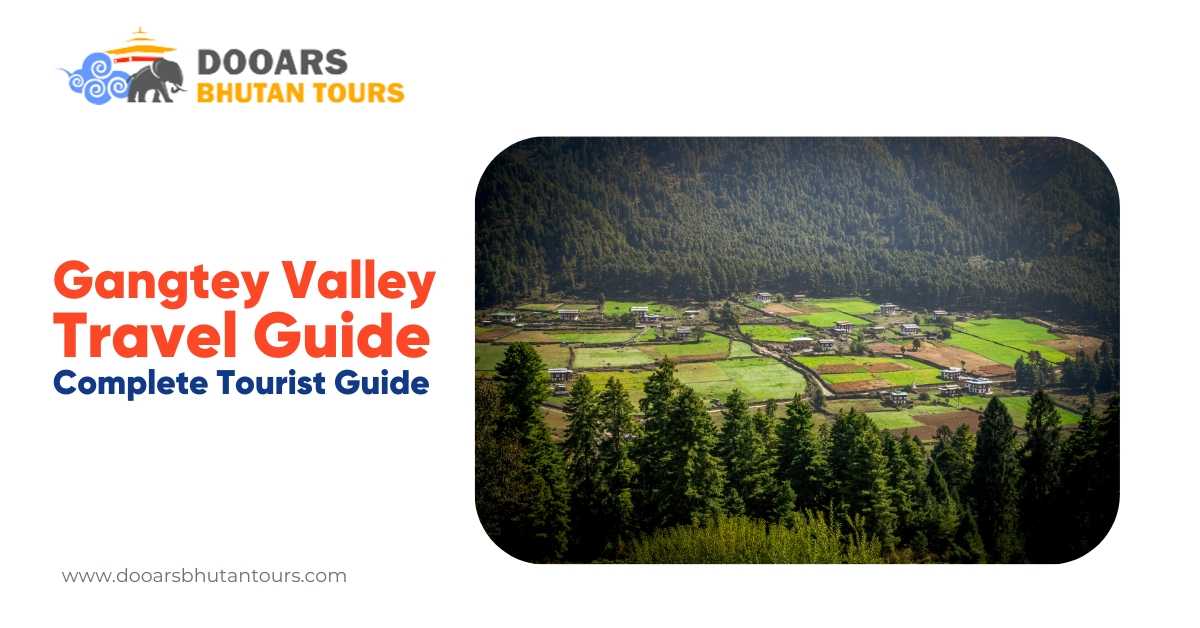

Gangtey Valley is a tranquil destination in central Bhutan, renowned for its sweeping green meadows, gently rolling hills, picturesque traditional villages, and breathtaking natural landscapes that reflect the region's timeless charm. A leading Bhutan tour operator can help you explore the valley.
Also called the Phobjikha Valley, this region presents an excellent opportunity for sightseeing, hiking, and wildlife spotting in a less-traversed part of Bhutan. The valley is widely known for attracting black-necked cranes, which migrate to the region every year during the winter months.
A number of factors need to be considered for a trip to Gangtey Valley besides the sights. These include the best time of year for a visit, transportation and accommodation options, local customs and etiquette, trail details, and the amount of time to be spent in the region, which determine the type of trip.
1.Where is Gangtey located?
Gangtey Valley ( also known as the Phobjikha Valley) is a high-altitude natural landscape in the Wangdue Phobdrang district of central Bhutan. Gangtey is a relatively large valley that spans approximately 2,900 to 3,000 m above sea level.
Phobjikha Valley is one of the few broad valleys in the Himalayas, compared to the narrow river valleys common to Bhutan’s landscape. This region is closely related to the conservation efforts in Bhutan, as the valley’s wetlands serve black-necked cranes.
Phobjikha Valley is generally a great destination for a trip to Bhutan, offering the chance to get away from the busy streets of Thimphu, Punakha, and other cities and discover Bhutan’s natural splendor.
2.Best time to visit Gangtey Valley:
The best time to visit Phobjikha Valley largely depends on a visitor’s interests. Those who are fascinated by wildlife may prefer winter, while nature lovers may want to witness the valley’s scenic beauty.
- Winter: October to February :
The most popular time to visit Phobjikha Valley is in winter. Wildlife spotters and ornithologists are especially drawn to this season, as the black-necked cranes fly in from Tibet to the valley’s wetlands for the season. Although November to February are ideal for spotting the cranes, the sighting is dependent on the birds’ migration patterns and is by no means guaranteed.
Winter in Bhutan is comparatively cold, with night temperatures often dropping significantly. It is therefore essential to bring warm clothing. Additionally, winter is a fantastic time to learn about the local wildlife and contribute to the valley’s preservation by volunteering.
- Spring: March to May:
The weather in spring is generally mild, making this season the second most popular time to visit Phobjikha Valley. This is a superb season for exploring the region on foot, snapping pictures of the valley’s landscapes and wildlife, and discovering Bhutan’s cultural heritage. Spring is generally less suitable for observing black-necked cranes, as the birds begin their return journey to Tibet during this period.
- Summer: June to August:
Summer time in Phobjikha Valley is characterized by warm weather. However, the rainy season makes the natural landscape particularly slippery and challenging to trek on. Therefore, it is important to carry binoculars and a reliable pair of hiking boots for any summer expedition to Phobjikha Valley.
- Autumn: September to October
The weather in Phobjikha during this season is generally pleasant. The valley’s vistas are particularly breathtaking at this time of year. In addition, autumn is an excellent time to spot the black-necked cranes, as they fly over the valley on their way back to Tibet.
3.Tourist attractions in Phobjikha Valley:
Gangtey Valley is a region of stark natural landscapes and vibrant local cultures. The following are some of the best things to do and places to see in Gangtey.
- Gangtey Monastery:
Gangtey Monastery, also known as Gangtey Goenpa or Gangteng Monastery, is an ancient and revered Buddhist monastery located at the top of a hill in the valley. With its origins in the 17th century, the complex showcases Bhutan’s distinctive architectural heritage while reflecting the spiritual traditions and cultural significance of the Nyingma school of Buddhism.
The monastery provides breathtaking panoramic views of the valley, making it an ideal spot for photography and capturing the surrounding natural beauty. However, it is important to dress modestly and respectfully when touring this cultural monument.
Additionally, visitors are advised to note any special directions or restrictions mentioned by the staff.
- Black-Necked Crane information centre:
The black-necked crane information centre is an information site for wildlife lovers and photographers, as it is the best place to view the rare and endangered black-necked crane flock.
In winter, visitors can watch the cranes from a closer distance with the help of the centre’s viewing equipment, depending on where the flocks gather.
The black-nacked crane information centre is also a fantastic place to learn about this unique species and the conservation efforts conducted in Phobjikha Valley.
- Phobjikha Valley wetlands:
The wetlands in Phobjikha Valley are among the most unique landscapes in Bhutan. These are broad, marshy wetlands stretching to the horizon and covered in grasses typical of the region.
This destination is perfect for nature enthusiasts, offering stunning landscapes and plenty of opportunities to capture beautiful photographs.
The valley is a crucial contributor to the preservation of the endangered black-nacked crane flock in Bhutan. The conservation efforts conducted here involve both the local people and wildlife. In particular, it is important to follow trail directions and respect the wetlands' sensitive ecosystem when visiting the region.
- Gangtey village:
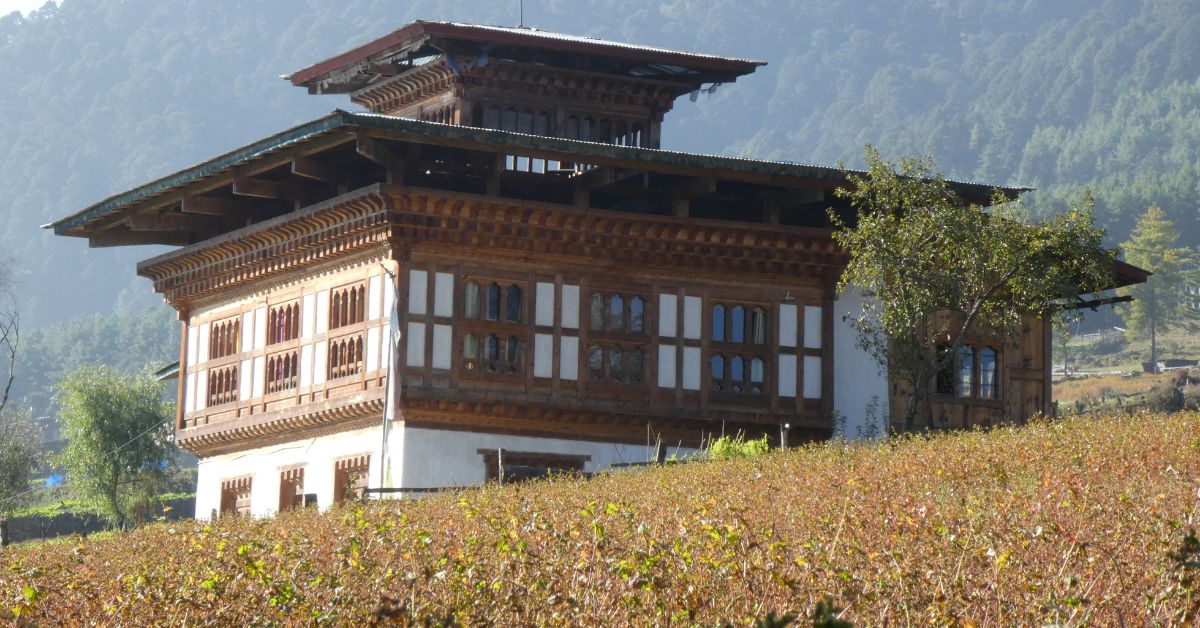
Phobjikha Valley is an excellent place to experience the local Bhutanese culture. The village is a prime example of a traditional Bhutanese settlement. Visitors can learn about the local lifestyle, supported by Bhutan’s strong cultural experience may even have the opportunity to stay at a local household in the region. The local culture and the natural landscapes of the valley complement each other and are worth discovering.
- Kumbu Lhakhang:
The Kumbu Lhakhang is a temple complex found near Gangtey Monastery. It is a great place to appreciate Bhutanese cultural heritage, and it is a must-visit for spiritual travelers.
5. Best things to do in Gangtey Valley:
In addition to the valley’s popular attractions, there are a number of fantastic things to do in Phobjikha Valley.
- Walk the Phobjikha Valley Nature Trail:
Phobjikha Valley's natural landscapes are best experienced on foot. The Gangtey Nature Trail is a popular attraction among hikers and nature lovers. The trail leads through wetlands, forests, pastures, and vistas overlooking the valley.
It is a great opportunity to enjoy the valley’s scenic beauty and take pictures. Visitors are advised to wear comfortable shoes and carry a supply of water.
- Enjoy wildlife spotting:
Nature lovers will be thrilled to know that wildlife spotting is one of the best things to do in Phobjikha Valley. The region is home to numerous species of birds and animals, including the endangered black-necked crane flock. Following the local guidelines and using the recommended viewing equipment is essential to avoid harming the sensitive ecosystem.
- Capture beautiful Photographs :
Phobjikha Valley is a fantastic place to take amazing pictures. This region provides unparalleled photo opportunities, including pictures of the beautiful valley landscape, the Gangtey Monastery, the village, and the local flora and fauna.
Photographers may want to bring binoculars and a good camera to snap some incredible shots. It is important to keep in mind that the weather can be particularly cloudy during the winter season and that cold weather affects the camera equipment.
- Experience a Cozy stay:
A stay in Phobjikha Valley is an excellent way to fully enjoy the region. Those planning on visiting multiple places in Bhutan should consider spending the night in the valley to have breakfast while enjoying the breathtaking landscapes.
Accommodation options are available in the region, ranging from guesthouses to rural homestays, but it is important to conduct some research beforehand to ensure comfort and convenience.
5.Nature and wildlife in Phobjikha Valley
Gangtey is a region of stunning natural landscapes and diverse wildlife. The valley consists of high-altitude wetlands, grasslands, streams, farms, and forests.
- Black-necked cranes:Phobjikha Valley is most famous for being the winter home of he black-necked crane, an endangered species of winter migrant crane flock. The black-necked crane is an iconic part of Bhutan’s landscape and culture. The flocks of these cranes migrate from Tibet to the relatively warmer high-altitude wetlands of Gangtey Valley for the winter.
Observing these fascinating creatures with a pair of binoculars is an activity that all wildlife lovers should definitely consider. It is important to follow the guidelines of the local rangers when exploring the valley’s wetlands.
- Wetlands conservation: The wetlands of Phobjikha Valley are essential for the survival of the region’s unique wildlife, especially the black-nacked crane flock. In addition, the valley’s grasslands and forests play a major role in conservation efforts.
Conservation activities are available for volunteers interested in contributing to the preservation of Bhutan’s natural heritage. Those who wish to view the black-necked cranes are encouraged to respect the local wetland ecosystem.
- Scenic grasslands and mountains: The rolling hills and mountain vistas of Gangtey create a stark natural landscape. These sublime landscapes transform into a riot of colors during the spring and summer seasons.
The scenic beauty of Phobjikha Valley is further enhanced by its grasslands. Waking through these rolling hills is a great activity for nature lovers and offers a chance to take some fantastic pictures.
Final thought
Gangtey Valley is a perfect destination for travellers seeking natural beauty, wildlife, and authentic Bhutanese culture. From exploring Gangtey Monastery to discovering the scenic Phobjikha Valley, every experience adds something special to your journey. Plan your trip according to the season, book your accommodation in advance, and make the most of your visit to this beautiful Himalayan destination. To get the best customized plan, you can contact Dooars Bhutan Tours so that they can assist you throughout your journey.
FAQS:
1. What is Phobjikha Valley famous for?
Phobjikha Valley is famous for its high-altitude landscapes, Gangtey Monastery, beautiful nature trails, and winter visitors- the endangered black-necked crane flock. The region is also a fantastic place to discover Bhutan’s local culture.
2. What is the best time to visit Phobjikha Valley?
The months of November to February are the best time to visit Gangtey Valley. However, spring and autumn are also wonderful seasons to visit the region and witness the valley’s scenic beauty.
3. How many days are enough to explore Phobjikha Valley?
One day is enough to explore the main sights of Gangtey Valley. However, to fully enjoy the valley, a visitor may want to extend their stay to two days and have breakfast while enjoying the valley’s landscapes.
4. What are the main tourist attractions in Phobjikha Valley?
Gangtey Valley’s main attractions are the Gangtey Monastery, the Black-necked Crane Information Centre, the Phobjikha Valley wetlands, the Gangtey village, the Kumbu Lhakhang, and the Gangtey Nature Trail.
5. Can you see black-necked cranes throughout the year?
No, black-necked cranes are seasonal visitors to Phiobkikha Valley. Wildlife spotters should plan their visit to the valley to coincide with the winter season. This is the best time to see the flocks of this fascinating and endangered species of winter migrant crane.
