


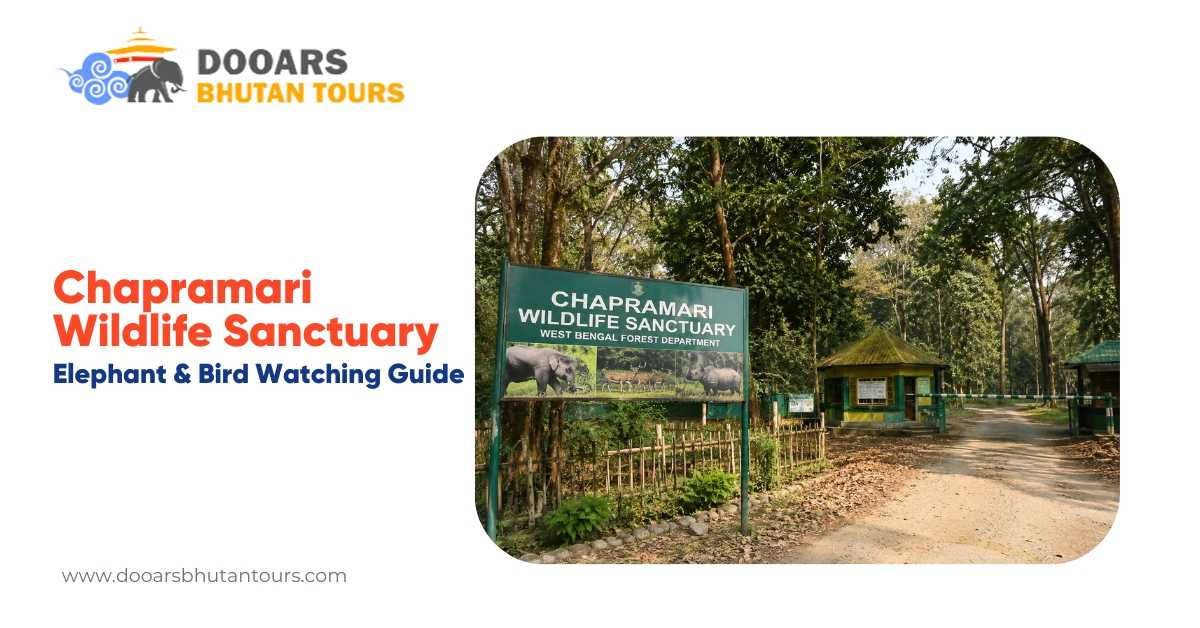


Dooars is a great place to travel because it has thick forests, slowly flowing river streams, endless tea gardens, and the quiet thrill of seeing animals in their natural habitat.
Although Dooars can be visited throughout the year, the timing of your trip plays an important role, especially when you are planning a well-curated Dooars tour package. The season you choose affects everything, from the animals you see to the weather to the prices of hotels.
The most popular time to visit Dooars is from November to February, when the weather is pleasant, and safaris are at their best. If you prefer fewer crowds and slightly better deals, October, March, and April are also great options.
This blog will help you choose the ideal time to visit Dooars based on what matters most to you, whether it’s wildlife safaris, budget-friendly travel, comfortable weather, or simply a peaceful escape into nature.
Best Time to Visit Dooars: A Season-Wise Travel Guide
The Festive Season in Dooars (November - December)
November and December are the best months that add life and charm to the place. This is when Dooars is livelier and enjoys an exciting holiday environment. The Teesta Tea and Tourism festival will enhance your experience through its special cultural offerings.
Along with the celebrations, you can also enjoy activities like river rafting, paragliding, and jungle safaris. The weather stays pleasant, making it comfortable to explore without feeling rushed. It’s a good time if you want a mix of nature and local experiences.
Dooars in Summer (March - June)
Starting from March, the weather starts to warm up gradually, and summer lasts till June. It normally varies between 21°C and 31°C. Even though the weather does become hot during the day, the trees and lush environment make the climate not so tough to cope with.
However, the summer season is not preferred by most of the tourists. Nevertheless, if you like the solitude, then there's nothing better than the summer season for you.
Dooars in Monsoon (July - September)
The monsoon arrives in July and continues till September, bringing heavy rainfall to the region. During this time, many forest reserves remain closed, which limits safari options.
But the beauty of Dooars during the monsoon is hard to ignore. The forests look richer, rivers flow with more energy, and everything feels fresh and alive. If you wish to take things easy and revel in the rains, then this is the perfect time for you.
Dooars in Winter (October - February)
From October, the weather starts changing, and winter gradually settles in. As rainfall reduces, the air becomes crisp, and the overall climate feels just right for travel.
This is usually regarded as the best period to visit Dooars. The climate will stay pleasant all day long, and it is also the perfect time for exploring wildlife sanctuaries. Jungle safaris are more enjoyable during this time, and chances of spotting animals are better compared to other seasons.
Common Mistakes to Avoid While Planning a Dooars Trip
A trip to Dooars doesn’t need complicated planning, but a few small misses can quietly take away from the experience. And most people don’t even realise it until they’re already there.
1. Going For Safaris In Rainy Seasons
There is nothing wrong with being excited about a jungle safari adventure when visiting Dooars. However, arriving at the spot and realising that the safari is currently closed is another story. Some forest regions in Dooars remain closed during the monsoon season.
2. Waiting until the Last Minute to Plan the Trip
People normally plan their trip in winter. The hotels get filled very quickly, and the best ones are always booked first. Late booking means last-minute changes and no relaxation.
3. Trying to See Too Many Places at Once
All places seem to be closed on maps. But in reality, it takes time and effort to get around because everything will be slow. And that is what Dooars is about. You need to take your time and not rush everywhere.
4. Not Getting Ready for Variable Weather
In winter, the weather can change dramatically throughout the day. From early morning till late evening, a warm jacket or an umbrella will be a great choice.
5. Expecting a Typical Tourist Destination
Dooars doesn’t try to impress you loudly. There are no crowded viewpoints or packed streets. It’s quieter than that. The magic happens in the quiet times when one sits by the river or watches the trees sway in the wind.
.jpg)
Frequently asked questions
1) Is it safe to visit Dooars during the monsoon season?
Yes, it is generally safe, but it’s not the best time for wildlife safaris since many forest areas remain closed. Roads can also be affected by heavy rain, so travel plans may need a bit of flexibility.
2) What is the best time for elephant safaris in Dooars?
Elephant safaris usually run between November and May. If you’re hoping to spot elephants more easily, March and April are often considered the most rewarding months.
3) Does Dooars get too cold in winter?
Not really. Days are comfortable and perfect for exploring, while mornings and evenings can feel slightly chilly. Carrying a light jacket is usually enough.
4) Is Dooars suitable for a family trip with children?
Yes, Dooars is a great choice for families. The calm surroundings, open spaces, and simple pace of travel make it enjoyable for both kids and adults.
5) How many days are enough for a Dooars trip?
A 2 to 4-day trip is usually enough to cover jungle safaris, nearby attractions, and still have some relaxed time to enjoy the surroundings.
6) Can I plan a combined Dooars and hill station tour?
Yes, many travelers combine Dooars with nearby hill destinations like Kalimpong, Gangtok, Mirik, and Darjeeling for a more complete experience.
7) Are Dooars Tours Packages available throughout the year?
Yes, Dooars Tours Packages are available year-round, but the experience changes with the season. Winter packages are more focused on safaris, while monsoon trips are more about relaxation and greenery.
8) Which are the main national parks to visit in Dooars?
Some of the most popular ones include Gorumara National Park, Jaldapara National Park, and Buxa Tiger Reserve. Each offers a slightly different experience in terms of landscape and wildlife.
9) Is advance booking necessary for Dooars trips?
If you’re traveling during peak season (November to February), it’s always better to book in advance. It helps you get better stay options and smoother safari bookings without last-minute stress.
10) Who should I book my Dooars trip with?
Planning your trip with a reliable travel partner like Dooars Bhutan Tours can make things much easier. From stay arrangements to safaris and local travel, everything feels more organised and less rushed.
Final Words
If you’re planning a Dooars trip, the best place to start is by choosing the time that fits the kind of experience you’re looking for. Once that’s clear, everything else, your stay, your itinerary, your pace, falls into place much more easily.
There’s no fixed, perfect time when it comes to visiting the Dooars. It really depends on what matters to you. If spotting wildlife and enjoying comfortable weather is high on your list, then visiting during November to February is ideal. For those who love to visit the Dooars without many crowds and with a little discount, October and March would be the right choice.
A stay at Dooars Bhutan Tours, surrounded by greenery and close to major safari zones, makes this kind of experience even more effortless and relaxed.
Dooars is not just about seeing places. It’s about pausing for a while, listening to the forest, and letting nature settle around you. Plan your trip with a clear idea of what you want, and the rest will unfold on its own.
