
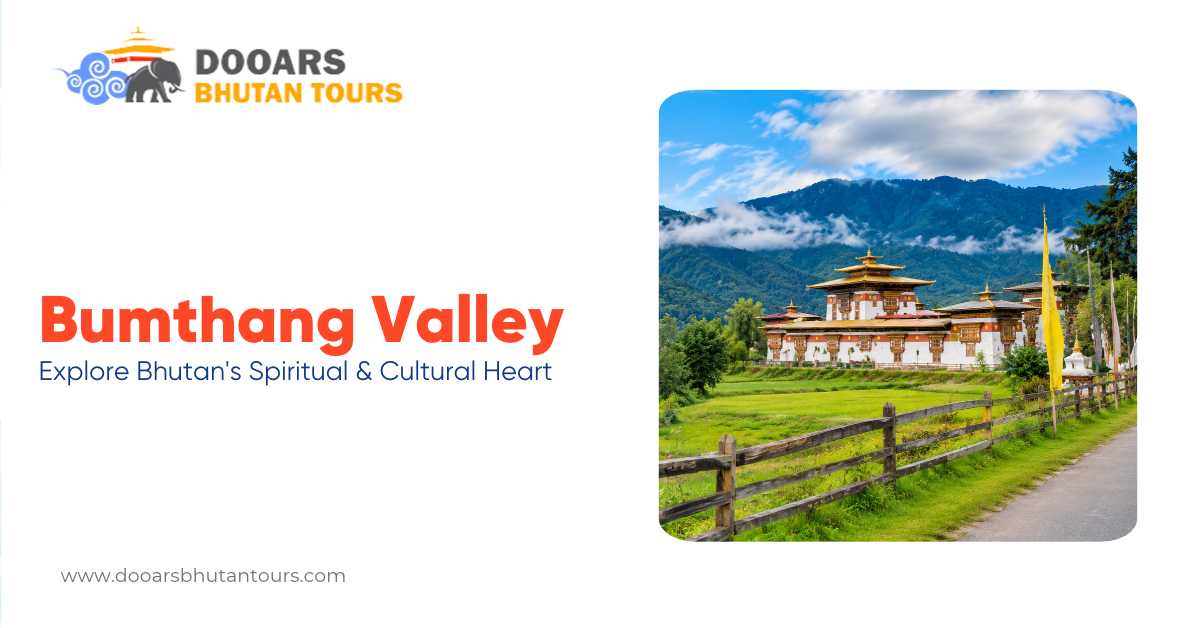

Bumthang Valley plays an important role in Bhutanese history and spirituality. The main town of Jakar is the administrative and commercial hub of the area. It is also home to Bhutan’s sole brewery where the popular Red Panda wheat beer is made. The district is split into 4 blocks, or gewogs, called Chhoekhor, Tang, Chhume, and Ura. If you want to explore Bumthang valley a Bhutan Tour Operator can help.
This beautiful valley is filled with lush fields, evergreen forests, and stunning alpine meadows. Everyone speaks the Bumthang language, which belongs to the Tibeto-Burman family. Something interesting to note is that there are 4 separate dialects, meaning that there is lots of variety within the culture.
Why visit Bumthang Valley?
There are many reasons why Bumthang Valley is worth visiting. It contains a rich cultural background, religious significance, and traditional lifestyle.
Religious culture: Some of the oldest temples and religious monasteries in Bhutan
Beautiful scenery: Wide open valleys, green forests, flowing rivers, and lots of farmland
Traditional lifestyle: Locals still practice their traditional lifestyle: Locals still practice their traditional farming, weaving, and customs.
Unique local language: The Bumthang language is part of the Tibeto-Burman language family. There are four variations of the language.
Historical villages: There are many traditional houses, religious landmarks, andancient strongholds.
Top attractions in Bumthang Valley:
When you visit Bumthang, there are plenty of religious sites and amazing scenery to take in.
1. Jakar Dzong: The fortress of the white bird:
It is located on a hill overlooking the Chamkhar Valley; the Jakar Dzong (Fortress of the while Bird) holds plenty of historical significance. With its traditional design, white colour, and breathtaking location, it makes it one of the standout attractions.
You can enjoy great views of the surrounding valley. Also, you will see how traditional the buildings are. If your visit coincides with a local religious festival, you can also witness the local culture.
2. Kurjey Lhakhang: A religious Buddhist site:
One of the most important spiritual sites in Bumthang. The Kurjey Lhakhang is associated with Guru Rinpoche, as he is said to have meditated here and left a body imprint on a rock in the sacred cave.
There are three main temples, each representing a different part of Bhutan’s Buddhist history. While visiting, you can enjoy the traditional architecture and learn about the religious stories behind the site. With its peaceful atmosphere, it is a lovely spot.
3. Jambay Lhakhang: One of the oldest temples in Bhutan:
Another important religious site in Bhumthag. According to local tradition, the temple is believed to have been constructed by the Tibetan King Songtsen Gampo.
During the annual Jambay Lhakhang Drup festival, there are lots of wonderful events. With the mask dances, traditional performances, and religious rituals, visitors will see an important part of Bhutan’s culture.
4. Tamshing Lhakhang: Ancient Buddhist art:
This was built by Pema Lingpa, one of the most revered religious and treasure seekers in Bhutan: the Tamshing Lhakhang (Tamzhing Monastery) is well known for its historic murals. These depict Buddhist figures, religious stories, and traditional designs.
Although it is quite plain compared to some of the other religious sites, it is still interesting to visit as there is lots of historic significance and beautiful artwork.
5. Mebar Tsho: The sacred Burning Lake:
Mebar Tsho, located in the Tang Valley, is a sacred lake, which is associated with Pema Lingpa’s legendary treasure discoveries.
It is said that Pema Lingpa entered the lake with a lit lamp. After retrieving the sacred treasure, the lamp still burned. This is why it is believed to have given the lake its name, making it an important pilgrimage destination for Buddhists. While visiting this place, you can enjoy the crystal-clear lake, rocky surroundings, and stunning hills.
What makes Bumthang Unique?
Bumthang has a very different character from many other areas in Bhutan. Each of the 4 valleys, Chheokhor, Tang, Chhume, and Ura, offers unique landscapes, traditions, and local culture. Bumthang is also distinguished by its local language, which is unique to this region of Bhutan. Chhume is famous for traditional wool weaving, and there are lots of agricultural activities in the mountains.
Bumthang offers visitors the chance to see a more religious side of Bhutan, with lots of traditional houses and temples dotted around the area.
There are plenty of interesting aspects to include in your Bhutan holiday, with ancient monasteries, traditional homes, and plenty of open countryside. You can learn more about the cultural history and traditional villages in Bhutan.
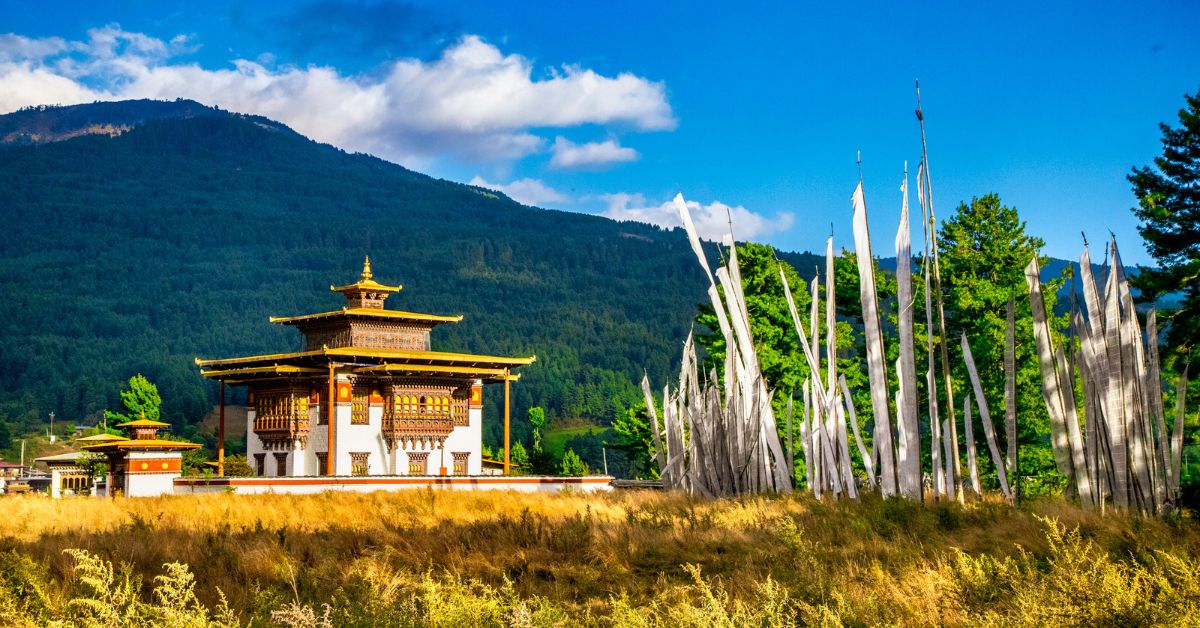
Spiritual significance and discover Bhutan's Buddhist heritage and ancient Traditions:
This place isn’t only home to incredible views and adventure activities but also provides you with a glimpse into Bhutan’s long history with Buddhism and traditional Himalayan beliefs. Many aspects of everyday life in this region are influenced by religion. As you explore the peaceful nature of this district, you will learn how this area has been influencedbyBuddhist beliefs, traditions, and practices.
- Buddhist traditions:
Bhutan has a long history of being influenced by Buddhist traditions. This can easily be seen throughout the Bumthang Valley, with locals following various traditions and rituals. Guru Rinpoche (Padmasambhava) has played a large role in introducing Buddhism to Bhutan, and his teachings are still an important part of this country's spiritual history.
Throughout your journey, you may notice bright coloured prayer wheels and various signs of sacred symbols.
Some key parts of Buddhist traditions include:
- Offering prayers for peace, happiness, and good fortune for all living beings
- Spinning prayer wheels
- Flying prayer flags
- Following Buddhist teachings
- Celebrating religious events
- Monastic traditions:
Monastic traditions have helped keep Bhutan’s religious knowledge, culture, and spiritual aspects intact. Monks dedicate their lives to religious study, meditation, and ceremonies.
Meditation plays an important role in many of these traditions. Practitioners will meditate to help increase their focus and reduce distractions. Chanting and praying occur alongside lighting butter lamps.
These monastic traditions can be understood through:
- Meditation: Practitioners will focus on being mindful
- Chanting: Monks chant traditional prayers and sacred texts.
- Butter lamps: Devotees light butter lamps as a sign of wisdom and devotion
- Teaching: Religious teachers will teach lessons
- Community events: Monastic institutions unite locals during religious events.
These practices help increase the connection between Buddhist traditions and the community.
- Religious Festivals :
Religious festivals are a great way to bring the Bhutanese community together. They provide an opportunity to pray, dance, and celebrate colourfully. This helps them to show their devotion and keep traditions alive. Many religious festivals in Bhutan include masked dancing that depicts Buddhist teachings.
During the festivals, you will notice monks and performers dressed in bright outfits and wearing masks, while traditional instruments play. Communities will also come together to receive blessings, participate in religious activities, and observe cultural traditions.
Some interesting aspects of religious festivals in Bhutan include:
- Cham: Masked dancing that displays religious stories
- Traditional instruments: Drums, cymbals, and other instruments accompany ceremonial performances.
- Community prayers: Locals come together to pray
- Storytelling: Important lessons are shared through performances
- Cultural events: Families and communities come together.
If your dates line up with a local religious festival, you may have the chance to witness these traditions and gain an understanding of why they’re important.
Best time to visit Bumthang Valley:
The season you choose can influence the landscape, weather, and cultural activities you encounter during your trip.
|
Spring ( March to May) |
Blooming flowers, green surroundings, and pleasant conditions for sightseeing |
|
Summer ( June to August) |
Lush landscapes and occasional rainfall that can affect road journeys |
|
Autumn ( September-November) |
Clear mountain views. Harvest activities and opportunities to attend local festivals |
|
Winter ( December to February) |
Cold weather, quieter surroundings, and possible snowfall in higher areas. |
Travel tips: Autumn is a lovely time to visit as you can enjoy some sightseeing and local festivals. Just make sure to check the local festival dates.
Things to do during your Bumthang trip:
There are lots of things to do in Bumthang:
Walk around ancient monasteries: Explore the courtyards and surrounding areas of Jambay Lhakhang and Tamshing Lhakhang.
Attend a traditional festival: Watch mask dances, religious performances, and cultural festivals.
Enjoy the countryside: Walk around the open fields, village tracks, and scenery.
Try local Bhutanese cuisine: Sample the traditional food in Jakar and the surrounding village.
Learn about local stories: Speak to locals and learn about Guru Rinpoche, Pema Lingpa, and religious culture.
Take some beautiful photos: Capture the traditional houses, green hills, rivers, and open meadows.
How to reach Bumthang Valley?
Bumthang is located in central Bhutan and is generally reached by road from other major destinations in the country.
- From Thimphu: Travellers can take a road journey through central Bhutan, passing mountain landscapes and smaller settlements along the way.
- From Paro: You can travel towards Bumthang through the country’s road network, usually connecting through Thimphu.
- From other central Bhutan destinations: Bumthang can also be included in a longer itinerary covering places such as Trongsa and surrounding valleys.
However, due to the mountainous terrain, the journey can take a long time. Therefore, allow plenty of time for travel.
Tips for travelling to Bumthang :
A few tips to help you on your journey:
- Pack warm clothes as the temperature can vary greatly. Especially during the early morning and evening.
- Wear comfortable walking shoes to visit the temples.
- Ask for permission to take photos of monks, locals, or inside the temples.
- Check the road conditions and weather
- Allow some time to explore the village.
Final Thoughts:
The Bumthang Valley offers many great features which make it a very interesting place tovisit when looking for a cultural and nature holiday. It is home to many ancient monasteries, traditional Dzongs, and holy sites, allowing insight into the strong ties between the region and Buddhism.
You can visit some amazing places, including Kurjey Lhakhang, Jambay Lhakhang, Tamshing Lhakhang, and Mebar Tsho to get a glimpse into the hundreds of years of religious culture and local folklore.
This makes these places more interesting. The seasonal festivals, traditional Bhutanese cuisine, and way of life make this valley very special. If you are looking for a place to see historical sites, enjoy the beautiful open mountain views, or learn about Bhutanese culture, then this valley should be included in your travels.
Book your holiday to Bhutan with Dooars Bhutan Tours to include this amazing valley to experience the rich culture, natural beauty, and traditional charm of central Bhutan.
Faqs:
1. Where is the Bumthang Valley located?
The Bumthang Valley is located in central Bhutan. The main town is Jakar.
2. Why is the Bumthang Valley famous?
Bumthang is famous for its ancient Buddhist temples, monasteries, festivals, traditional villages, and beautiful mountainous scenery.
3. What are the main attractions?
Some popular attractions are Jakar Dzong, Kurjey Lhakhang, Jambay Lhakhang, Tamshing Lhakhang, and Mebar Tsho.
4. How long should you stay?
You can visit many major attractions in 2 to 3 days, including important temples, Jekar town and surrounding valleys. You may need extra time if you would like to visit the village and go out.
5. What is the best time to visit?
Spring and Autumn are popular times to visit for the nice sightseeing conditions. Autumn is also a good option if you want to experience local festivals.
6. What language do they speak?
The local language is Bumthang, which is part of the Tibeto- Burman language family. The national language of Bhutan is Dzongkha.